Pramesh Shah
Staff Writer
The aroma of freshly brewed coffee and sizzling breakfast sandwiches fills the air at the ISU Student Union. But for many students, the smell comes with a quiet calculation, how much can they actually afford today?
In recent years, food prices across the country have steadily climbed, and Idaho is no exception. From grocery stores to campus dining halls, students at Idaho State University are feeling the pinch of inflation in their everyday meals.
“I used to buy groceries every two weeks for about fifty bucks,” said Samson, a sophomore studying mechanical engineering. “Now it’s almost double that, and I’m not even eating any differently. It just adds up fast.”
According to the U.S. Bureau of Labor Statistics, food prices have increased by nearly 20% since 2021. For students living on tight budgets, that means smaller grocery lists and tougher choices.
Jeffrey, a freshman from Boise, said he noticed the change right away after moving into the dorms. “At first, I thought I was just bad at budgeting,” he said with a laugh. “But then I realized milk, eggs, and bread, basic stuff cost so much more than last year.”
Many ISU students are finding creative ways to stretch their food budgets. Brie, a nursing major, said she’s learned to cook in bulk. “I meal-prep on Sundays,” she explained. “I make a big pot of rice and lentils, and then I just remix it throughout the week. It’s not fancy, but it keeps me full and saves money.”
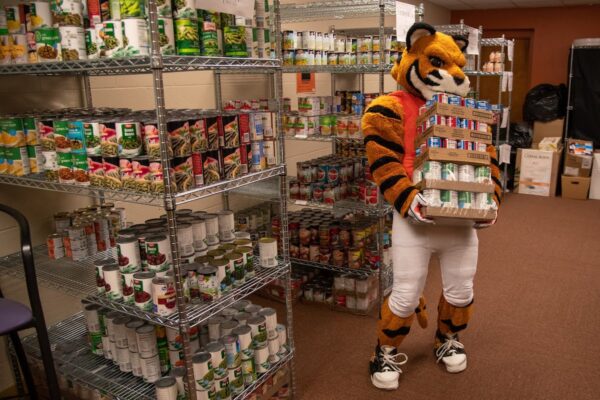
Some students have turned to community programs for help. The Benny’s Pantry, located in the Pond Student Union, offers free food to ISU students in need. Susanna, a health science major, said she’s seen a noticeable increase in visitors. “It’s not just students who are struggling financially,” she said. “Even students with jobs are coming in because their paychecks don’t stretch as far anymore.”
While grocery shopping has become pricier, so has eating on campus. Meal plans now cost more than in previous years, and some students are cutting back.
“I used to get coffee and breakfast every morning before class,” said Travis, a senior majoring in Nuclear Engineering. “Now I just grab instant coffee from home. It’s not as good, but it saves me five bucks a day.”
ISU’s dining services have tried to maintain affordable options, but inflation affects their suppliers, too. Prices for ingredients like meat, dairy, and produce have all risen sharply, forcing adjustments to portion sizes and menu items.
Even with rising costs, students are learning to adapt and look out for one another. Tyler, a sophomore in computer science, said he and his roommates share cooking duties. “We rotate who makes dinner,” he said. “It’s actually fun, we cook together, split costs, and try new recipes. It makes college life feel more like family.”
Others see the challenge as a lesson in financial awareness. “It’s taught me to plan,” said Hyden, a business administration student. “I never used to check store flyers or compare prices. Now I do. I even track what I spend each week.”
The struggle of students at ISU mirrors a national trend. According to a 2024 report by the Hope Center for College, Community, and Justice, nearly 38% of U.S. college students experience food insecurity at some point in the academic year.
For many, the rising cost of living is reshaping what college life looks like. Late-night pizza runs are less frequent, and meal-sharing has become an act of community rather than convenience.
Despite the challenges, students continue to find resilience in small moments sharing meals, exchanging cooking tips, or visiting Benny’s Pantry when times get tough.
“I think that’s the heart of being a Bengal,” said Samson, finishing his story with a smile. “Even when things get expensive or stressful, we find ways to help each other out.”