Aurora Hons
Staff Writer
The recent government shutdown had impacts beyond just furloughed federal workers; the effects of the fight in D.C. were evident throughout Pocatello and among its residents, with more local ramifications than one might think during its run.
While the federal government has since reopened, the event shed light on how tightly Pocatello and Idaho State University are connected to federal funding. Students, local government, federal workers, and businesses all felt the uncertainty. What was truly disrupted, and what do students now think about Congress after another funding scare?
Annually, the United States Congress must pass 12 pieces of legislation by Oct. 1 to continue funding of federal agencies. When Congress fails to pass this legislation, or the president fails to sign it, a shutdown occurs due to the resulting funding gap. This ultimately causes non-essential government agencies to be put on pause. Essential functions such as air traffic controls, law enforcement, and national security continue, with employees often working without pay until a funding bill is passed or signed.
The most recent shutdown, from Oct. 1 to Nov. 12, was the longest in U.S. history. During this time, Pocatello and ISU were affected by this lack of funding in various ways.
Dr. Lance Erickson, director of the ISU Career Center, offered insight into the ramifications of the shutdown for students, events, and organizations. “We just held a career fair last week,” Dr. Erickson said, “But leading up to the STEM career fair… we had a handful of employers who dropped out at the last minute, and these were federal employers that would come hire students, so they said because of funding and the shutdown and different things.”
Outside ISU, the city of Pocatello experienced numerous delays as well.
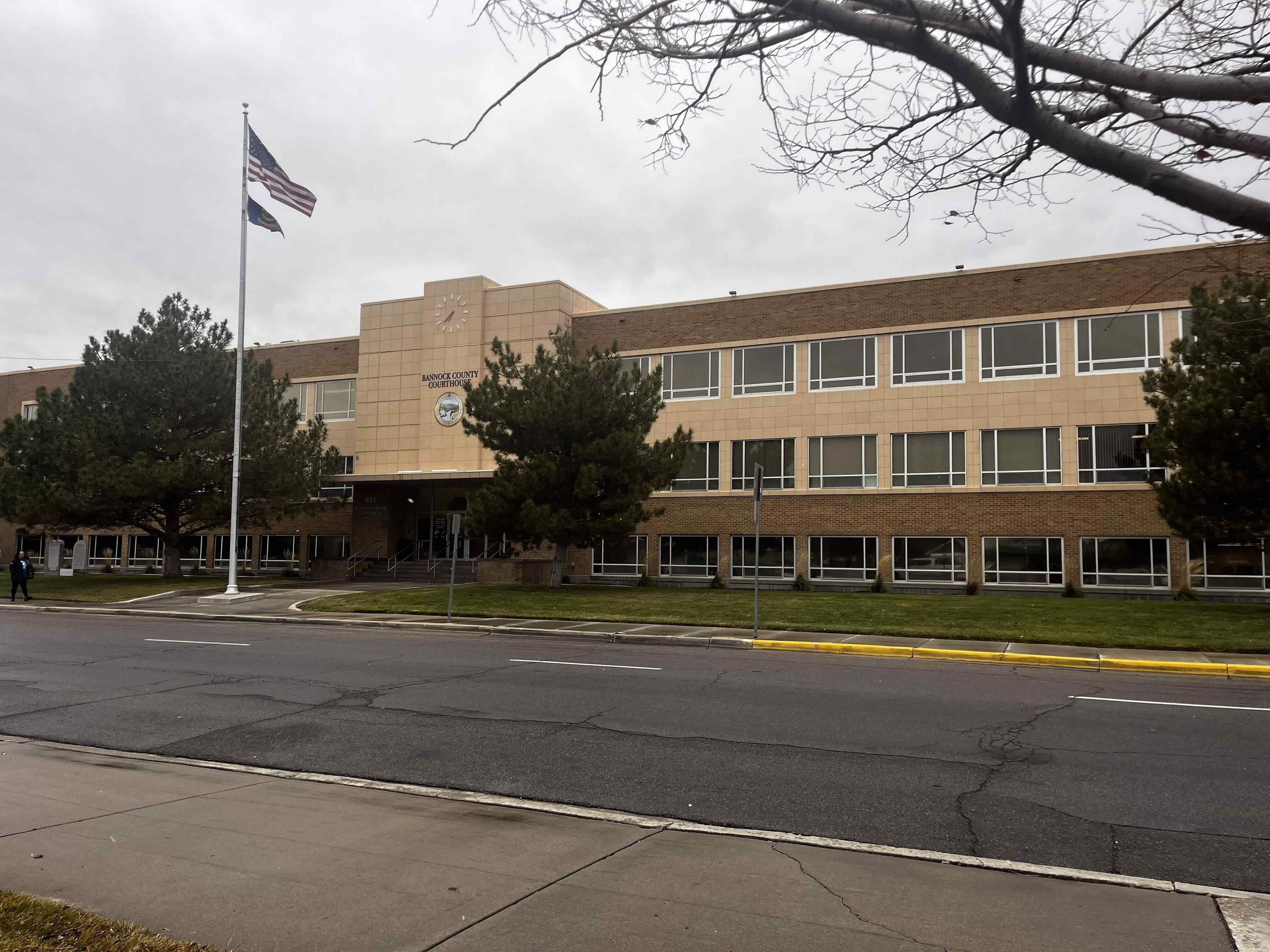
“The City’s competitively funded programs have experienced delays in that federal staff are not available to process project expenditure reimbursements, review reports, or process other documentation such as amendments, schedule changes, etc.” Marlise Irby-Facer, the city’s public information officer, said, “As a result, the City is continuing to work on projects but carries risk and must pause some work while awaiting approvals, guidance, or responses from federal staff.”
The disruption also underscored how closely young adults, including ISU students, are connected to federal support. Many rely on Pell Grants, FAFSA, federal work-study programs, and internships at federal agencies. Others come from families employed by federal contractors or federal departments. For those students, shutdowns are no longer distant political battles but stressors that affect finances, academic planning, and job prospects if they last too long or occur too often.
As the government resumes normal operations, Pocatello and ISU are moving forward. Federal employees have returned to work, delayed career connections are being rescheduled, and city projects are gradually catching up. But the concerns that surfaced during the shutdown remain, especially among students watching another funding deadline in the near future.
For many, the shutdown may be over, but the reminder of how quickly federal gridlock can ripple through a community is not likely to fade.